



Dataset Ops
Make your data work at scale
Managed dataset delivery built around your recordings, review decisions, and training workflow.
Connected to the same dataset record
Fleet Learning Infrastructure for Physical AI
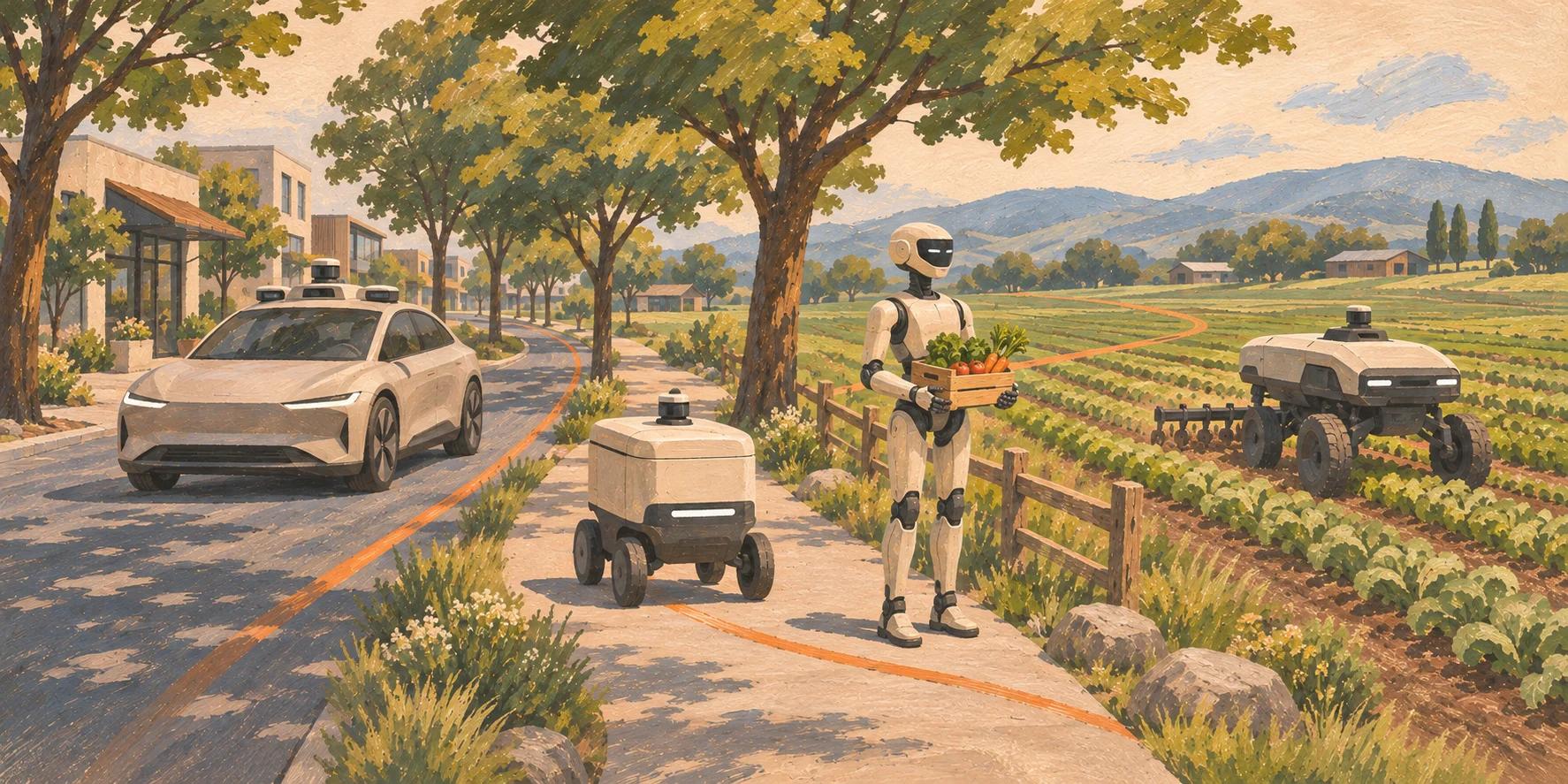
Machines that learn from the world can make work safer and life easier. Avala builds fleet learning infrastructure to help teams turn real-world experience into more capable machines, with people at the center.
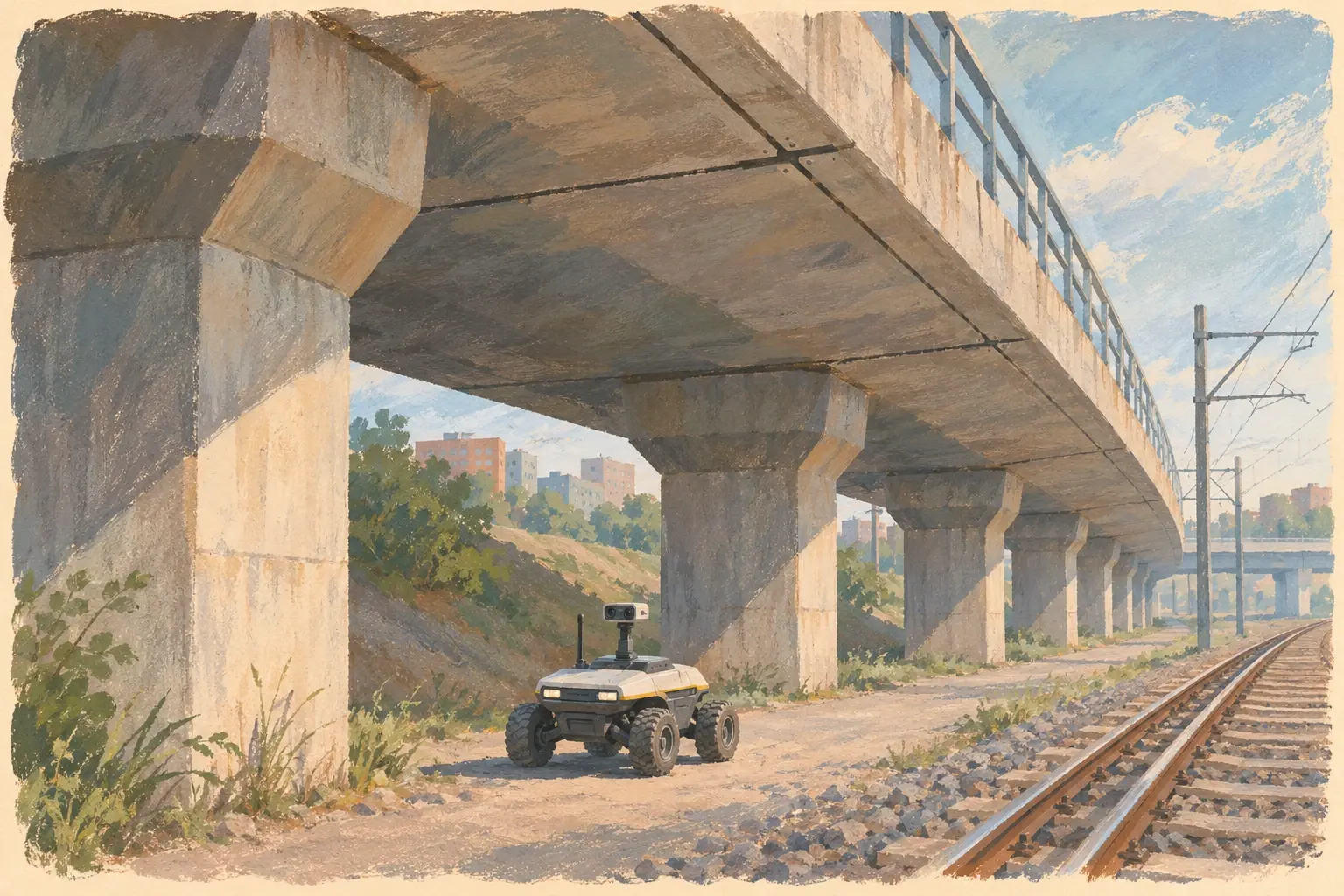
Move sensor data from road capture to traceable, model-ready releases
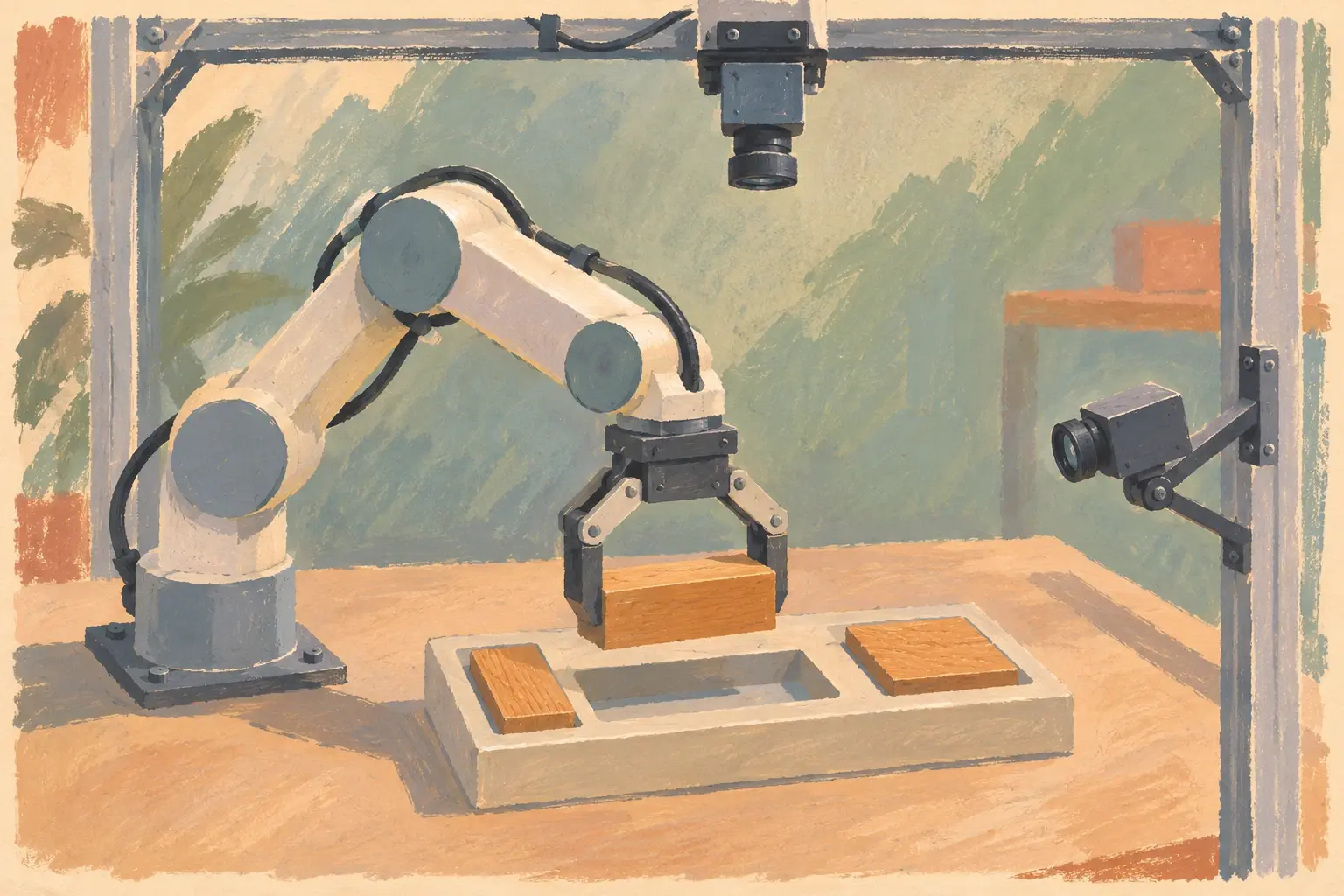
Scope robotics collection and labeling around your sensors, tasks and acceptance criteria. Review signal requirements, output formats and evaluation steps.
Bring existing recordings or define the demonstrations you need. Scope capture, annotation, review and delivery around your sensors, tasks and acceptance criteria.
This catalog contains task specifications for planning collection, not verified dataset inventory. Confirm capture feasibility, data availability and licensing for your program.
How we check for repeats and overrepresented sourcesFounder story
2020, San Francisco. Founder and CEO Emal Alwis was the third software engineer on Tesla's Autopilot AI team and the first to work on fleet learning.
That experience shaped Avala's founding bet: a useful learning loop connects sensor context, review decisions, dataset lineage, and model feedback. Teams should not have to rebuild that foundation for every program. Our ambition is to make the loop dependable, starting with scoped data collection and labeling.
About AvalaOpen and programmable
Connect your data workflow with Python, TypeScript, REST, or MCP. Start with an authenticated request, then explore ingestion, review, and export.


Robots and AI are worth building only if they are good for people: the people who teach them, the people who own them, and the people they work beside.
Use model proposals to label sensor data, then review the results. For fine-tuning, take corrected examples into your own training pipeline.
 Avala
Proposes 3D bounding boxes around objects in LiDAR point clouds.
 Meta
Segments objects from prompts and tracks their masks through video.
AvalaTraces lanes, road edges, and boundaries across a sequence of 3D frames.
 Google DeepMind
Interprets spatial relationships and reasons about the steps in a robot task.
 NVIDIA
Groups LiDAR points into vertical pillars to detect objects in 3D.
 Ultralytics
Detects objects, estimates poses, and segments regions in camera images.
NVIDIACombines camera features and LiDAR returns to detect objects in 3D.
AvalaAssigns scene and object labels using a program’s classification taxonomy.
One continuous loop
Each cycle starts with what your fleet did and ends with a release you choose to ship. Avala runs five of the stages. Training and the release decision stay with you.
 ObserveRun by Avala
 DiagnoseRun by Avala
 EvaluateRun by Avala
 AcquireRun by Avala
 TrainRun by you
 ValidateRun by Avala
 ReleaseRun by you
Dataset Ops
Managed dataset delivery built around your recordings, review decisions, and training workflow.
Connected to the same dataset record
Annotation Ops
Route tasks, enforce labeling guidelines, and coordinate distributed teams with QC that is measurable, not subjective.
Connected to the same dataset record
Model Management
Monitor for drift, track real-world performance, and trace any release back to the data, labels, and decisions that produced it.
Connected to the same dataset record
Mission Control
Explore sensor data, design workflows, inspect quality, manage dataset versions, and trace model decisions in one workspace.
Managed dataset delivery built around your recordings, review decisions, and training workflow.
Turn synchronized camera, LiDAR, and telemetry into reviewed training data for Physical AI. Label in 2D, 3D, and across sequences without losing the context your models need.
Manage experiment lineage, fork datasets for rapid iteration, and gate releases on automated benchmarks or human review. Each dataset release is published to your training stack with its decisions recorded, and the results route back into the next collection.
Connect your data, training, and deployment stack
Built for Physical AI
Bring the same governed operating model to robotics, autonomous systems, field data collection, and critical infrastructure.
The business case
Replace handoffs across tools and vendors with compounding, versioned data assets that stay reproducible and ready for the next training cycle.
Trace a model, benchmark, or production issue back to the exact dataset version, labels, and policies that shaped it.
Move from data discovery to correction and re-training without rebuilding context across tools and vendors.
Run in Avala Cloud with permissions, retention, auditability, and enterprise controls built into the workflow. Standard BYOS keeps source data in-region while Avala-managed infrastructure and API metadata remain US-based.
Operations when you need them
Avala can supply the qualified people and automation behind demanding programs. They scale up or down while the dataset identity and control plane remain yours.
Explore managed operationsPeople-First AI
15,000+ registered coworkers teach, check, and correct what models cannot resolve. They work flexibly, are paid for accepted work, and learn on the job. Their judgment is what makes the next release better than the last.

Coworkers take the cases automation cannot resolve, and their corrections feed the next release.

Flexible hours, pay above the norm for the work and the place, and payment for accepted work.

Training is built into the work, so experienced people stay on the work they know and grow into harder tasks.

Practical tasks make the sequence of human actions visible, from the first movement to the finished task.
Data partners
Robot fleets, teleoperation centers, capture studios and sensor-rig builders are paid per accepted hour, keep their rights on stated terms, and are never pooled with another customer's data.
Research & perspectives
Technical analysis, field lessons, and practical guidance for building better data-to-model systems.

Hours and label counts overstate robot data diversity. Count accepted data, subtract repeats, record capture axes, and let the buyer's test decide what matters.
Read moreRobot models are getting easier to obtain. Proof that one works in your deployment is not. A founder's case for owning the learning loop and its tests.
InsightsCoRL 2026's strongest papers are data pipelines: human video converted to robot actions, demonstrations scored by influence, and failures kept as signal.
ResearchBuild the data foundation your models can compound on
See how Avala can connect your data, operations, and production models on one infrastructure.